
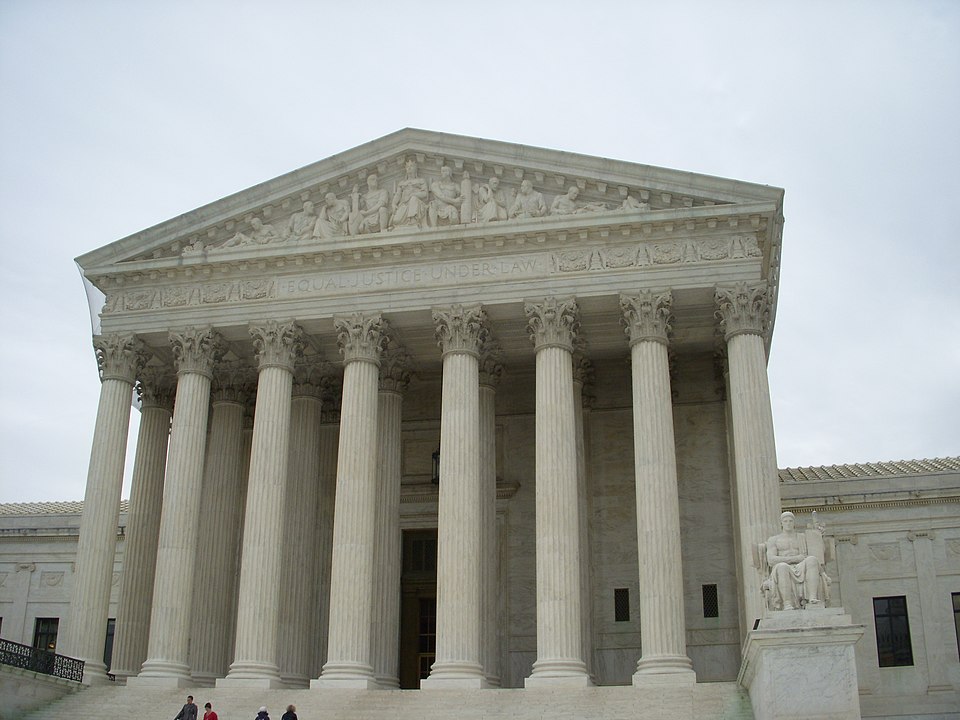
On March 31, 2026, the Supreme Court of the United States issued its decision in Chiles v. Salazar, a challenge to Colorado’s law protecting youth from conversion therapy.
In an 8–1 decision, the Court ruled that Colorado’s law, as applied to talk therapy, regulates speech based on viewpoint and that the case will be remanded back to the lower court and must be reviewed under a more rigorous First Amendment standard.
This is a significant legal development and a setback for preventive protections. It is critical that we, as psychologists, clearly understand what this ruling does and does not mean.
This decision is about constitutional limits on state regulation of speech, not about the validity of conversion therapy.
- It does not find conversion therapy to be safe, effective, or ethical
- It does not change the overwhelming scientific consensus that conversion therapy is harmful
- It does not remove accountability for psychologists who engage in harmful practices
Major medical and mental health organizations (including the American Psychological Association and the American Psychiatric Association, along with many others) continue to reject conversion therapy as ineffective and dangerous, particularly for youth.
As APA emphasized in its response to this decision, the Court has left unresolved a critical question: whether states can regulate what licensed mental health professionals say to patients in clinical care. This has potentially far-reaching implications not only for conversion therapy bans, but for the broader authority of licensing boards to enforce standards of care.
Conversion therapy remains unethical, below the standard of care, and may constitute professional negligence. It continues to be subject to malpractice claims, licensing board discipline, and civil liability.
At the same time, this ruling shifts the landscape from front-end prevention to back-end accountability. While states may face limits in preventing harm in advance, accountability after harm remains firmly intact. Survivors continue to have meaningful legal pathways, including malpractice claims, consumer protection actions, and professional licensing complaints.
In Alaska, a statewide ban on conversion therapy was not successful in 2023, and an active bill in 2026 is also not expected to advance. Anchorage, however, passed a municipal ban on the practice in 2020.
This is a pivotal moment for our profession. As APA noted, this decision raises serious concerns about consumer protection and the ability of states to regulate harmful therapeutic practices delivered through speech. While courts define constitutional limits, psychologists define the standard of care.
Our ethical compass remains unchanged. We are committed to evidence-based practice, to doing no harm, and to protecting vulnerable populations.
###
Chiles v Salazar Press Release-AKPA

Leave A Comment
You must be logged in to post a comment.